


Selecting the right HVAC system is a critical decision for any commercial building owner or manager. Today’s HVAC options are diverse, designed to meet specific needs based on building size, layout, and local climate. This guide explores some of the most common types of commercial HVAC systems, their advantages, and considerations to help businesses make informed decisions for optimal indoor comfort and energy efficiency.
Packaged Units
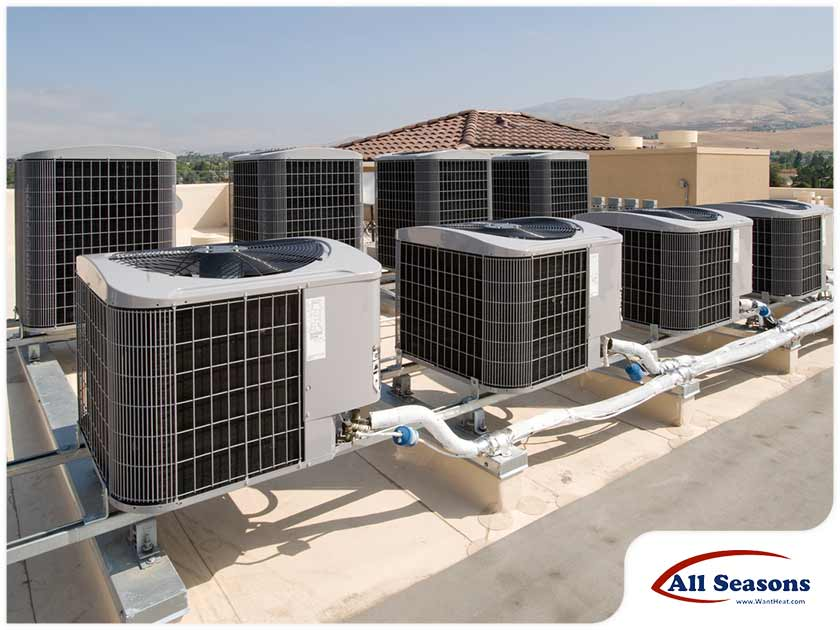
Packaged units are all-in-one heating and cooling solutions, housing all system components in a single cabinet. Typically installed outdoors or on rooftops, these systems are compact and easy to install. Their main advantage is simplicity and cost-effectiveness, making them ideal for smaller commercial spaces such as retail stores, small offices, and standalone businesses. However, their performance may be limited in larger or more complex building layouts due to their all-in-one design.
Split HVAC Systems
Split systems consist of separate indoor and outdoor units connected by refrigerant piping. The indoor unit usually contains a fan and coil, while the outdoor unit houses the compressor and condenser. This separation reduces noise indoors and allows more flexible installation. Split systems are highly adaptable, making them suitable for multi-tenant buildings or commercial spaces with varying zoning requirements. Their modular design provides individualized temperature control, enhancing both comfort and energy efficiency.
Variable Refrigerant Flow (VRF) Systems
VRF systems, also known as VRV (variable refrigerant volume) systems, provide precise temperature control for individual zones within a building using refrigerant as the heating and cooling medium. These systems can simultaneously heat and cool different zones, making them highly efficient. VRF systems are ideal for large, high-end commercial spaces like hotels, hospitals, and office complexes where customizable climate control is essential. Key advantages include flexible installation, energy efficiency, quiet operation, and reduced long-term maintenance costs.
Ductless Mini-Split Systems
Ductless mini-split systems are similar to traditional split systems but do not require ductwork. This makes them ideal for retrofitting older buildings or providing targeted heating and cooling to spaces without existing ducts. Each outdoor unit can support multiple indoor units, allowing for zoned temperature control. These systems are particularly beneficial for offices, small commercial spaces, and room-specific applications, offering efficiency, flexible installation, and minimal visual impact.
Chiller Systems
Chiller systems are essential for applications requiring significant cooling, such as large office buildings, industrial facilities, and commercial spaces. They use a refrigeration cycle to cool water, which is then circulated to air handling units or fan coil units to cool and dehumidify the air. Chillers can be air-cooled or water-cooled, with each type offering unique advantages in efficiency, operational cost, and suitability for different climates and building sizes.
Conclusion
Each commercial HVAC system has its unique benefits and challenges. Selecting the right system depends on your building’s characteristics, size, and budget. From compact packaged units for small spaces to advanced VRF systems for large, complex facilities, understanding your options is the first step toward achieving optimal indoor comfort and energy efficiency.
Contact All Seasons Inc. for Your Commercial HVAC Needs in Tacoma, WA
If you’re ready to explore HVAC solutions for your commercial property in Tacoma, WA, All Seasons Inc. is here to help. Our team provides expert guidance, installation, and maintenance to ensure your commercial space remains comfortable and energy-efficient all year round.
Call us at 253-879-9144 or fill out our online form to discuss your commercial HVAC options with one of our professionals.