


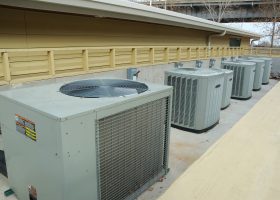
Understanding the key distinctions between Variable Refrigerant Flow (VRF) and Variable Air Volume (VAV) systems is pivotal for anyone looking to make an informed decision about their HVAC needs. Whether for commercial or residential applications, choosing the right system can lead to considerable energy savings, improved comfort, and better control over your environment. VRF Systems: Tailored Comfort and High Efficiency VRF systems, also known as Variable Refrigerant Volume (VRV) systems,… Continue Reading Article

Why Is It Essential to Have Good HVAC in Schools?
Heating and cooling systems keep indoor spaces comfortable. In schools, they contribute to an effective learning environment. When it’s too hot or cold, it could be difficult for educators to teach and for students to listen. These are just among the many reasons good HVAC is essential in schools.
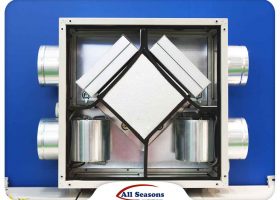
Explaining the Differences Between HRVs and ERVs
“Green” construction is growing in popularity thanks to the need for homeowners to tackle the problem of rising energy costs. In fact, many homes today are constructed using standards that require improved airtightness and insulation. The energy efficiency is there, which is excellent, but the downside is that the natural flow of fresh air into the home is arrested, resulting in poor indoor air quality.
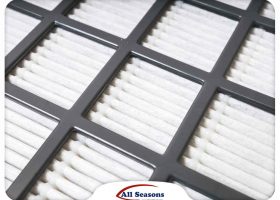
Understanding the Limitations of HEPA Filters
High-efficiency particulate air (HEPA) filters, which are found in numerous air-cleaning products, have a Minimum Efficiency Reporting Value (MERV) rating of 13 to 16. This means that these components have the ability to filter airborne particles as small as 0.3 microns with 75% efficiency.
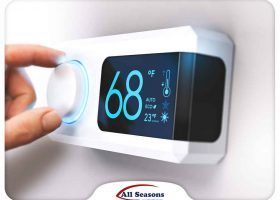
Choosing Between Programmable and Smart Thermostats
Thermostats for residential HVAC systems are no longer limited to the manual type. Sure, manual thermostats still have their uses, but there are two new and exciting options on the market today that allow homeowners to customize their home’s comfort levels in ways that make regulating your home’s temperature much easier and more convenient. These options are programmable and smart thermostats.
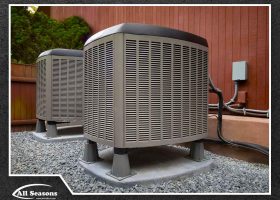
On Building Envelopes, HVAC and Energy Efficiency
An energy envelope or building envelope refers to the external walls, windows, roof and floor of any building; not just commercial buildings, but houses as well. The energy envelope is what prevents heat from escaping into the environment in the winter or leaking into your home’s interior in the summer. While not technically a single component, the building envelope is an important aspect of ventilation, insulation and heating and cooling… Continue Reading Article